A Feature Film Project
Mad Rocket is seeking strategic partners to help finance and produce LAPSE, a Cold War-era psychological noir thriller set in 1963 Los Angeles. While it is primarily a single-location film specifically engineered to be made on a low budget with a tight, highly disciplined 15-day shooting schedule, the project was written from the ground up with a premium, high-production-value mindset. By pairing the intense, claustrophobic suspense of a character-driven "premium cage" thriller with a jaw-dropping, high-altitude military spy plane sequence, the narrative offers an expansive cinematic scope without the massive logistical footprint.
Driven by the sheer strength of the script and its highly original, historically grounded concept, our goal is to attract notable name talent to the project. Because the entire film features a tight, ensemble cast of only 5 actors, we can focus our casting resources on securing top-tier talent for every single role. The comfort of a premier, centralized Beverly Hills location and a rapid three-week shoot makes the project exceptionally actor-friendly, allowing us to leverage prestige performances at an indie scale. Through this combination of meticulous pre-production planning, cutting-edge virtual production, and high-caliber acting, we are positioned to turn this optimized $2M budget into a commercial, elevated genre film that looks and feels many times its actual cost.
THE FEATURE
Logline
After an inexplicable mid-flight anomaly at 90,000 feet, a top-secret 1960s CIA test pilot undergoes an off-the-books truth serum interrogation by his closest friends — only to realize the terrifying truth of what he encountered at the edge of space is still in the room with them.
Principal Location
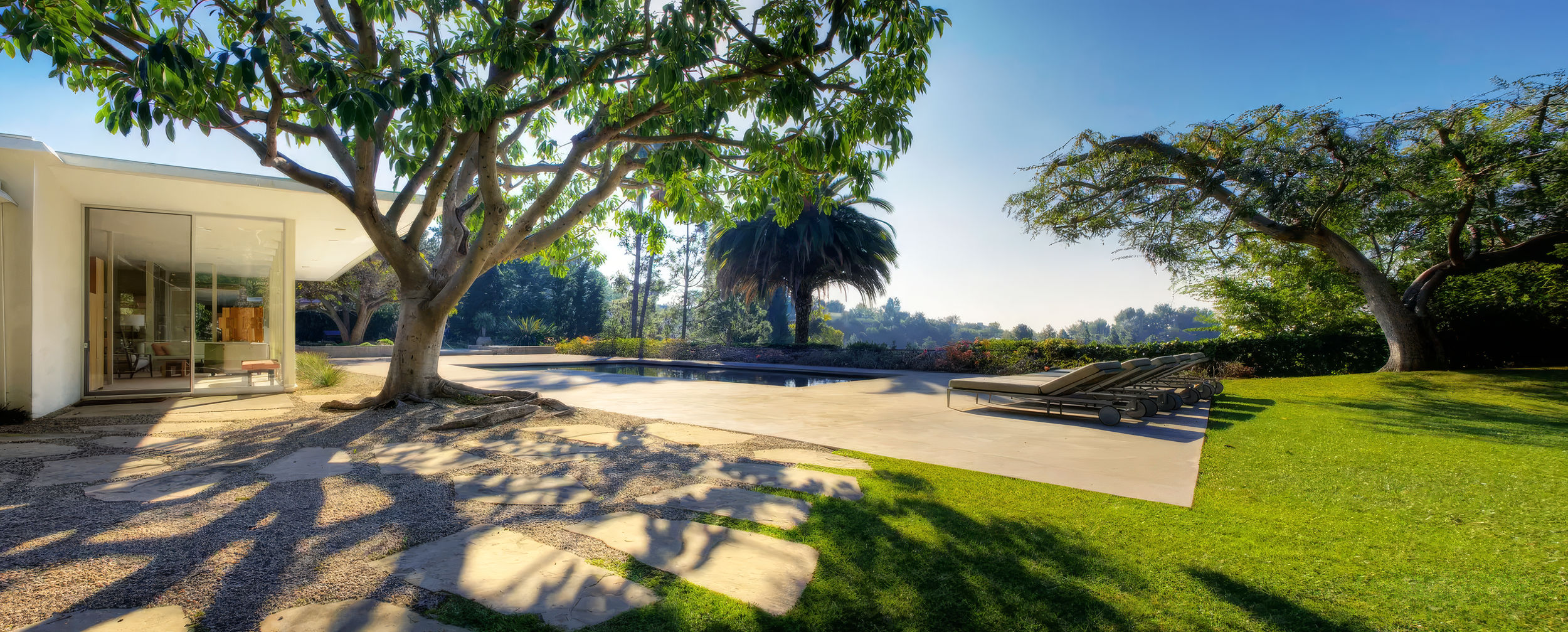
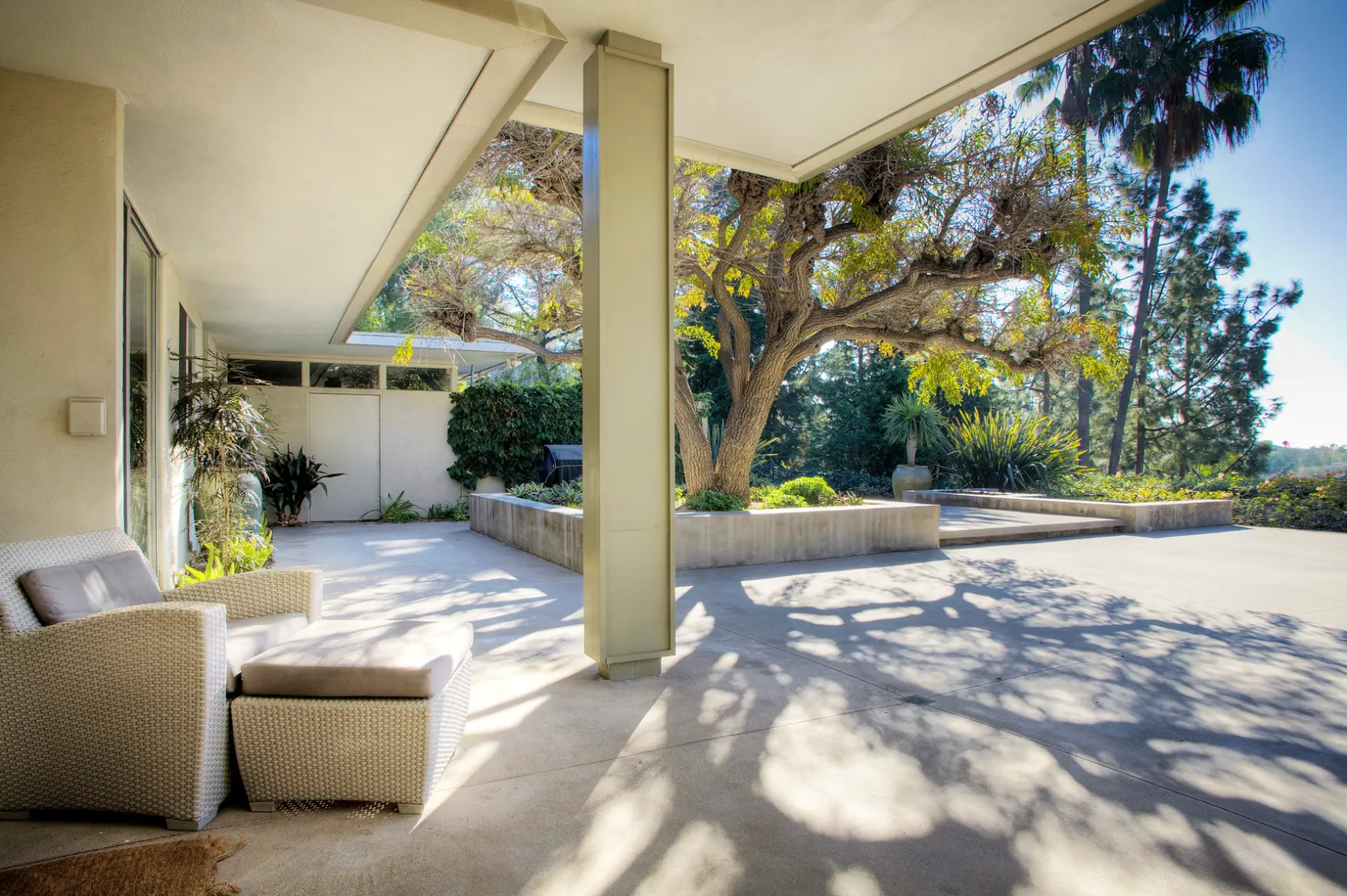
While LAPSE unfolds on the isolated cliffs of 1963 Malibu, production plans to film at a stunning mid-century modern estate in Beverly Hills. Designed in 1956 by renowned architect Howard Frank, this 5,000-square-foot architectural gem sits on a secluded, one-acre lot. With its sharp lines, 10-foot ceilings, and cold, clinical luxury, the property perfectly establishes the film’s "premium cage" atmosphere. Facing southwest with sweeping ocean views, the estate features a striking entry pond with floating steps, a large pool, and a lava rock fireplace, providing a visually rich, cinematic canvas.
Filming in one central location eliminates the logistical overhead of company moves and complex set builds, keeping production exceptionally efficient. The estate boasts extensive interior space to house wardrobe, makeup, and production offices, completely removing the need for costly motorhome rentals. Furthermore, the home comes furnished with a wealth of authentic, period-friendly pieces and retains its original 1950s kitchen. Paired with massive sliding glass doors in every room for seamless equipment tracking, the location delivers a flawless, historically accurate 1960s aesthetic right out of the box while slashing art department and furniture rental costs.




Story Synopsis
Act I: The Dinner Party
Set against the polished backdrop of 1963 Cold War tension, the entire film unfolds over the course of one single, suffocating night. It has been two weeks since Captain David Minor, an elite test pilot for the US Air Force — and now the CIA — operating at the absolute edge of military aviation secrecy, suffered a traumatic flight incident that left him severely shaken and placed on mandatory medical leave. Though his wife, Audrey, has spent the last fortnight desperately trying to comfort him and bring him back to normalcy, David remains vacant, hyper-vigilant, and deeply unstable. Seeking a desperate return to routine, the couple hosts an intimate dinner party for David’s most trusted friends: Ken Dillard, an Air Force psychologist, and Dr. Marcus Alston, a high-ranking Air Force doctor. But as the evening progresses, David’s erratic behavior warps the domestic comfort of their modern Malibu estate into a psychological pressure cooker.
Act II: The Sessions
Desperate to help their drowning friend, Ken and Marcus convince a hesitant David to undergo a radical, off-the-books solution using a vial of Sodium Pentothal. The home quickly transforms into a sterile interrogation cell as the truth serum fractures David's conscious mind, forcing him to recount a terrifying, reality-bending encounter high above the clouds. The horror escalates from psychological to physical when Marcus discovers a strange anomaly beneath David's skin and uses his surgical tools to extract a mysterious black object embedded in his shoulder. But when the procedure triggers a catastrophic medical emergency, the night shatters permanently. Paralyzed by the fear of a court-martial, a botched cover-up ensues, forcing Audrey, Ken, and Marcus into a desperate alliance of survival as they race to erase the evidence before the sun comes up.
Act III: The Trap
Just as they finish scrubbing the blood away and prepare to align their alibis, the sudden ring of the front doorbell cuts through the silence. Standing on the threshold is Agent Tom Hollis, a calculating CIA operative who reveals a chilling truth: the Agency has had the entire estate under 24-hour surveillance for the past two weeks. Trapped in a psychological fishbowl while technical crews sweep the rooms, the trio is presented with a cold, ruthless ultimatum from the government. As they frantically debate their options, the cosmic implications of what David brought back from the sky finally crash down on them. They are forced to realize that the most terrifying threat isn't just the federal agents occupying the living room, but the haunting, reality-warping truth waiting for Audrey inside the very walls of her home.
Working Poster
Characters
Captain David Minor (30s) | The Fractured Pilot
An elite, hyper-disciplined US Air Force test pilot recruited into the CIA’s most secretive aerospace program. David is a man defined by rigid military composure, making his current psychological unraveling all the more terrifying. Returning from a classified flight at 90,000 feet, he is vacant, intensely paranoid, and missing a massive block of his memory. As the truth serum pulls him back into the cockpit, his performance shifts from a quiet, suffocating trauma to a breathless, reality-bending panic.
Audrey Minor (20s/30s) | The Grounded Heart
Elegant, deeply perceptive, and fiercely loyal, Audrey is the anchor of the film. For two weeks, she has walked on eggshells trying to piece her shattered husband back together, navigating a wall of military secrecy. When the cozy dinner party transforms into an interrogation cell and a subsequent cover-up, Betty is thrown into an impossible nightmare. Her arc is the emotional engine of the story, evolving from a protective, mid-century housewife into a desperate survivor facing down the United States government.
Dr. Marcus Alston (30s/40s) | The Driven Pragmatist
A high-ranking Air Force doctor and department head. A bespectacled man of status and precision, Marcus tends to view David through more of a physical, medical lens rather than Ken’s psychological approach. Because of his background, he is the only one capable of performing the impromptu, rogue surgical extraction when an anomaly is discovered under David’s skin. When the procedure takes a disastrous turn, Marcus’s clinical detachment becomes a vital asset for the group; he pivots into survival mode to help orchestrate an airtight cover-up alongside Ken and Audrey to protect their shared future.
Ken Dillard (30s) | The Empathetic Scientist
An Air Force psychologist and David's close friend. Ken represents the intellectual, analytical side of the military apparatus. He is inherently empathetic and genuinely wants to treat David’s apparent PTSD, which is why he suggests employing the Sodium Pentothal. However, when things go horribly wrong, Ken’s analytical mind goes into overdrive. He becomes a calculated co-conspirator, balancing overwhelming guilt with a ruthless instinct for self-preservation to avoid a court-martial.
Agent Tom Hollis (40s to 60s) | The Unseen Apparatus
A calculating, deeply unsettling CIA operative who arrives like a ghost in the third act. Carrying a black attaché case, Hollis is the human embodiment of Cold War surveillance and state power. He plays a polite, agonizing game of cat-and-mouse, dripping with artificial charm, before completely dropping the axe on the trio. It’s a powerhouse, prestige role that demands a commanding screen presence — a character who controls the room without ever having to raise his voice.
Cast
Casting is now underway for this ensemble piece. There are only five speaking characters in Lapse. The incomparable Sam Richardson will be playing the part of Dr. Marcus Alston.
SAM RICHARDSON is an Emmy-winning actor, writer, and producer celebrated for a singular blend of soulful versatility and sharp comedic timing. Raised between Detroit and Ghana — where his maternal grandfather was a prominent local chief and civic leader — Richardson’s multicultural upbringing informs the deeply grounded, inventive approach he brings to every role.
After gaining global recognition on HBO’s Veep, Richardson solidified his status as a prestige talent with a 2023 Emmy Award for his portrayal of Edwin Akufo in Ted Lasso. His expansive career spans Apple TV+’s acclaimed series The Afterparty and major studio features including Spy, the cult hit Werewolves Within, and the global blockbuster The Tomorrow War, in which he starred alongside Chris Pratt.
Building on the success of their collaboration in The Tomorrow War, Richardson is set to headline the Universal Pictures action-comedy Stranded Asset opposite Pratt — a project Richardson also co-wrote. He also stars in Apple Original Films' upcoming live-action feature Matchbox: The Movie alongside John Cena and Jessica Biel. A veteran of Second City and co-founder of Comedy Central’s Detroiters, he is widely regarded as a premiere creative voice, capable of balancing the simmering intensity and heartfelt energy that anchors the core of LAPSE.

Sam Richardson
Dr. Marcus Alston
Visual Tone & Atmosphere
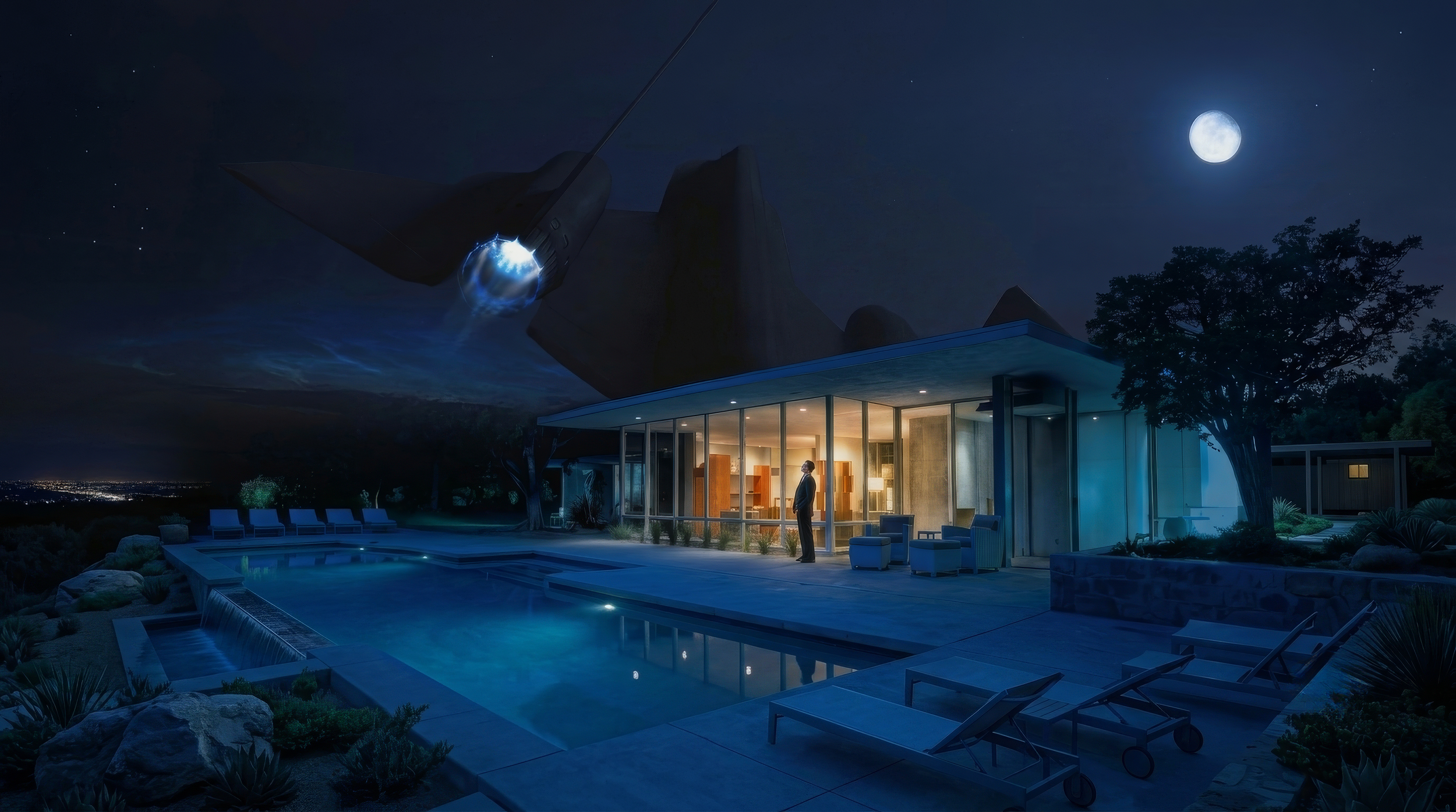
LAPSE unfolds entirely under the cover of a single, suffocating night, transforming a sun-drenched Malibu mid-century modern home into a high-end psychological cage. The visual style is a sleek, clinical fusion of 1960s neo-noir and modern existential dread, utilizing sharp architectural lines, cold glass reflections, and deep, ink-black shadows to create an immediate sense of geographic and psychological isolation. From the very first frame, the atmosphere is laced with an ambient, unshakeable wrongness, signaling to the audience that reality itself is subtly warping just out of frame.
Bathed in the harsh, clinical luminescence of the pool deck and the moonlight cutting across the property, the film weaponizes light as an instrument of surveillance rather than comfort. The premium location becomes a beautifully staged fishbowl where every pristine window feels like a lens looking in. As David's psychological state unravels, the camera work transitions from steady, locked-in architectural compositions to a tight, intensely intimate, and claustrophobic perspective. The darkness beyond the property lines is treated not just as an absence of light, but as a living, encroaching entity, holding the terrifying weight of the unseen flight trauma and the looming government apparatus closing in on the house.

project oxcart
Historical Context
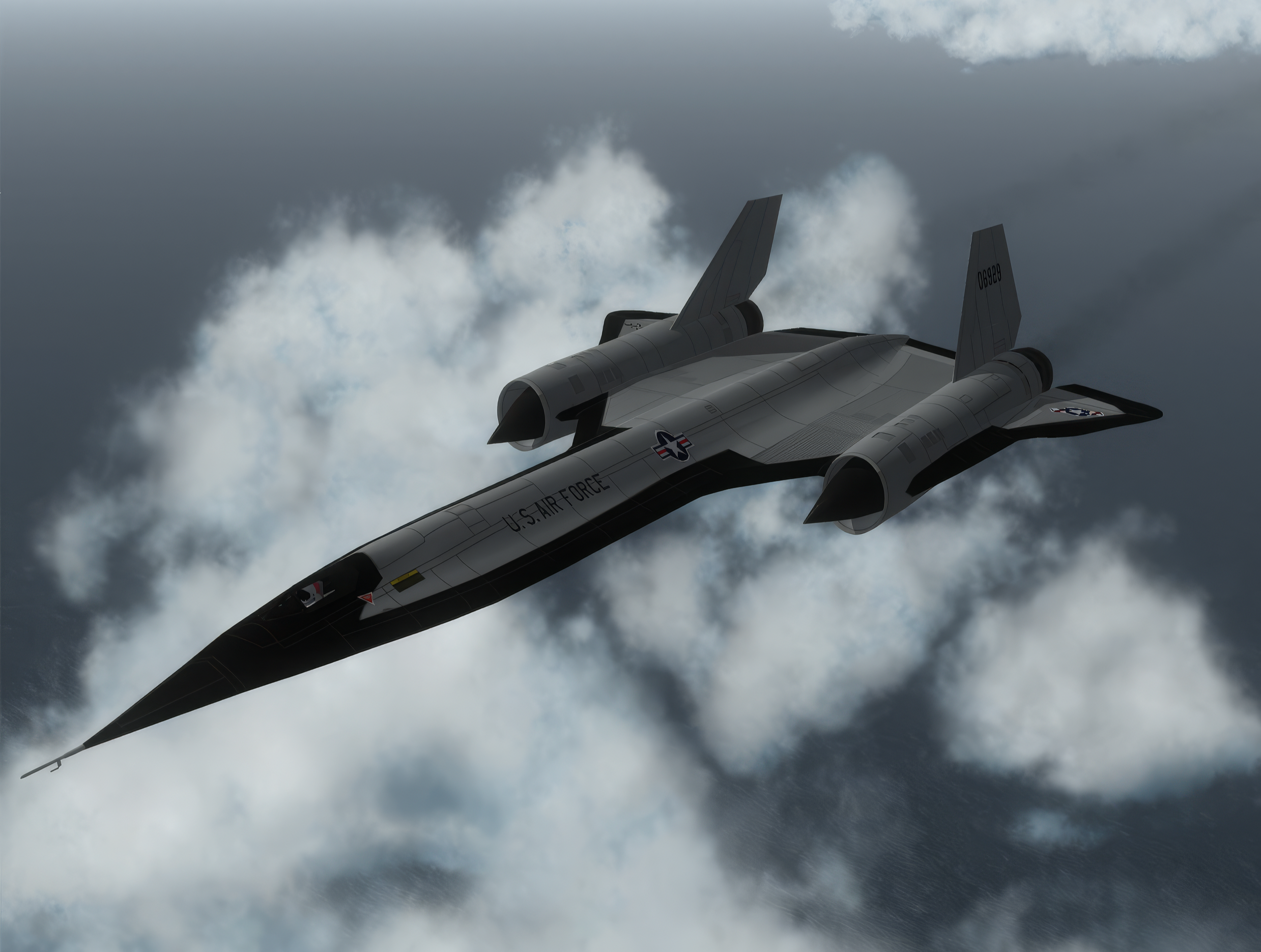
During the early 1960s, the CIA initiated Project Oxcart — a top-secret aerospace program developed by Lockheed’s legendary "Skunk Works" division. Operating under absolute government secrecy, its mission was to build a reconnaissance aircraft capable of flying at 90,000 feet and Mach 3.2 to safely penetrate Soviet airspace and gather intelligence on enemy nuclear capabilities. The result was the A-12 Oxcart, a sleek titanium marvel that pushed the boundaries of human flight.
The Anomaly
As a test pilot chosen for this black project, Captain David Minor is bound by a strict military oath and sworn to absolute secrecy under penalty of treason. When his latest high-altitude flight goes terribly, inexplicably wrong, he is trapped in a profound state of isolation. After questioning by the CIA about what happened to him, they conclude he passed out due to hypoxia during flight. He’s doubtful of their conclusion, yet cannot utter a single word about any of it to his deeply concerned wife, Betty.
Compounding his torment is a terrifying cognitive lapse: David cannot remember the core events of the flight, yet his subconscious is violently plagued by the trauma of whatever happened to him at the edge of space. Desperate for answers and drowning in paranoia, he covertly reaches out to his inner circle: Marcus, a high-ranking Air Force doctor, and Ken, a trusted Air Force psychiatrist. By inviting them to his Malibu home under the guise of a routine dinner gathering, David initiates a rogue, off-the-books investigation into his own mind, unwittingly setting a trap that will snap shut on all of them.
The A-12 Oxcart Sequence
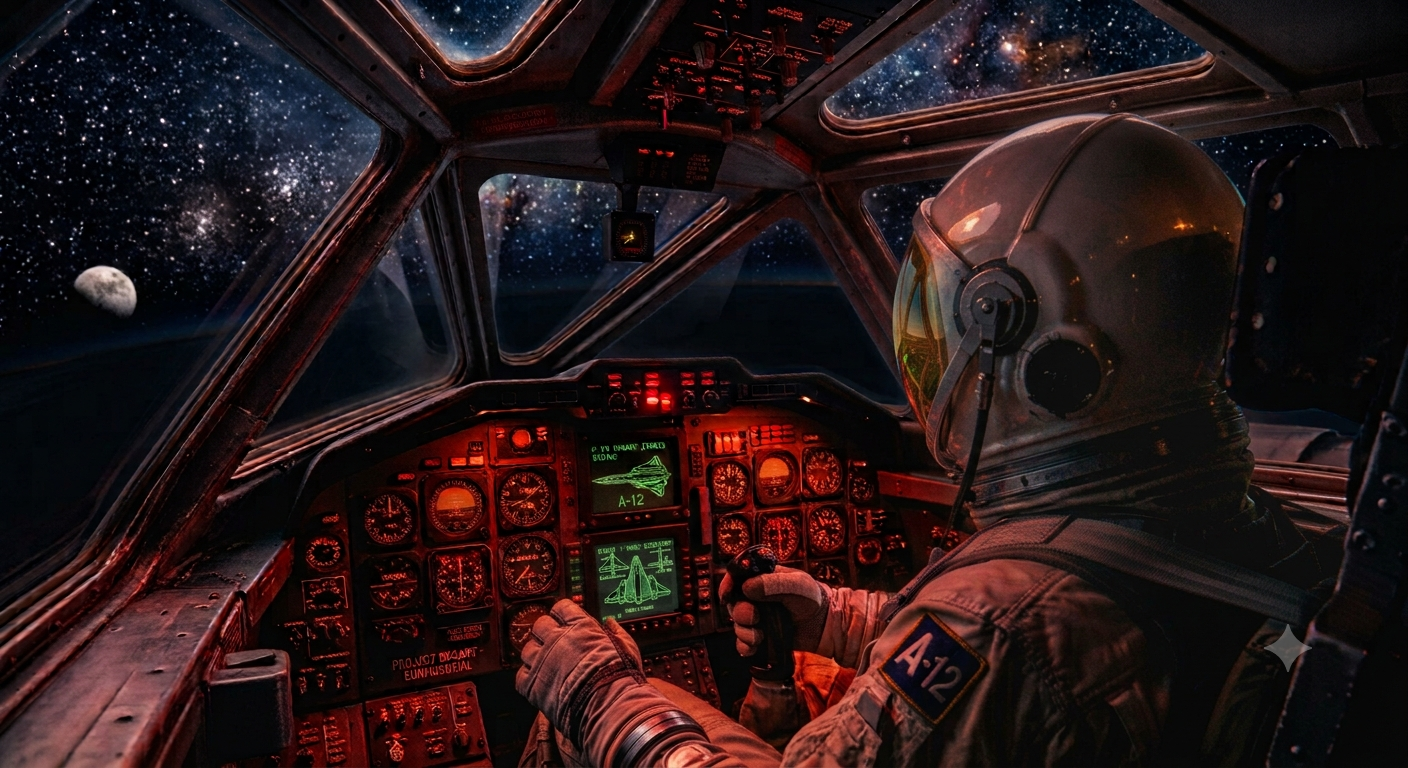
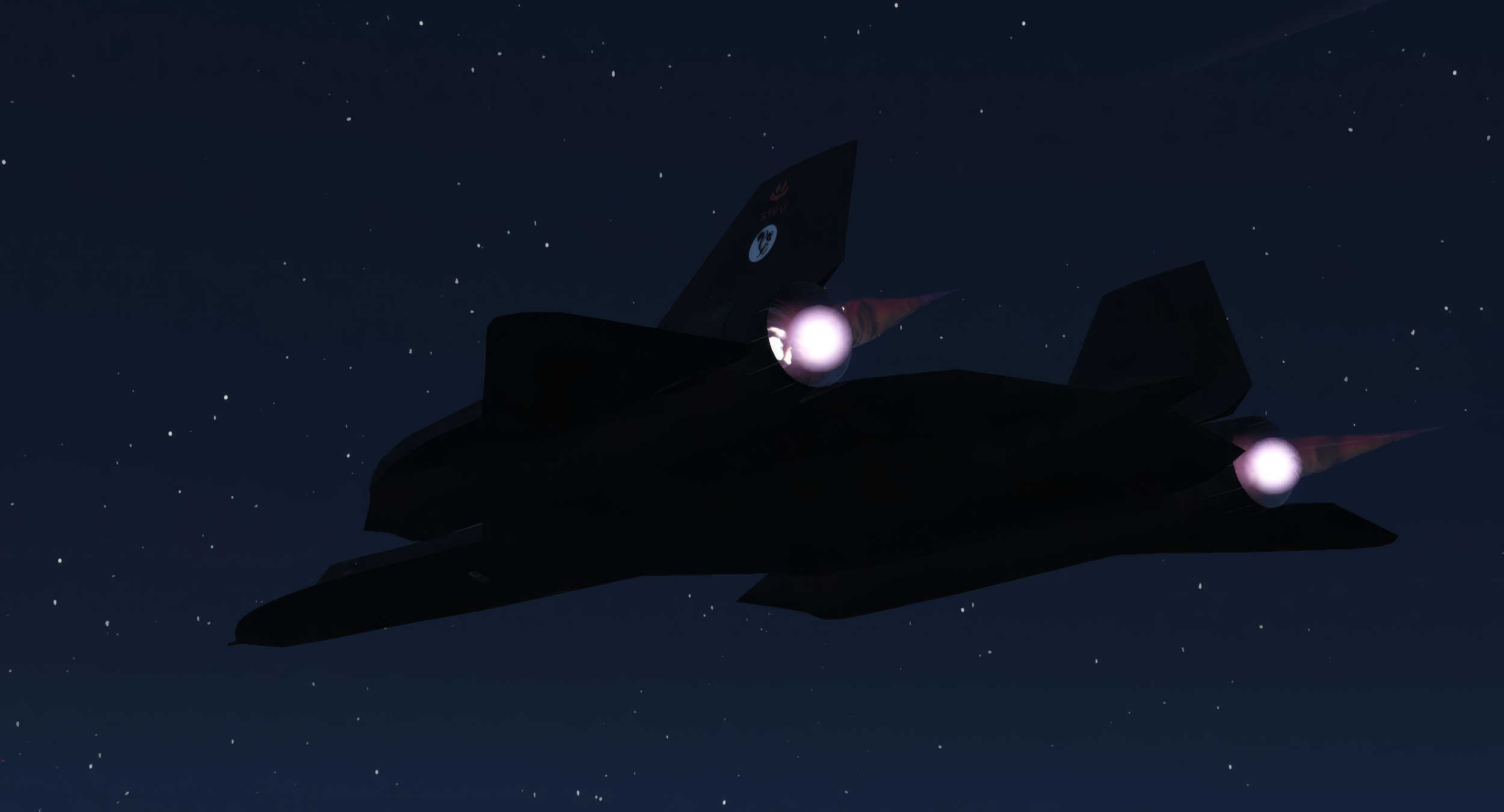
While LAPSE is a tightly contained "premium cage" thriller set predominantly in a single Malibu home, the film's inciting incident unfolds at 90,000 feet, experienced by the audience through David’s harrowing, reality-fracturing recollection of his top-secret test flight as he undergoes a rogue Sodium Pentothal interrogation in the present. To execute this high-concept sequence with total cinematic scope while keeping overhead low, we have designed a highly efficient, cutting-edge physical production and VFX strategy.
The Cockpit Architecture
For the aircraft itself, we will partner with Scroggins Aviation to utilize their premium SR-71 Blackbird cockpit and nose mockup. Because the legendary SR-71 was the direct successor to the CIA's classified A-12 Oxcart program, the cockpit layouts and exterior silhouettes are virtually identical, ensuring historical accuracy for 1963 military aviation. While the SR-71 was traditionally a tandem-seat aircraft and the A-12 was a single-seat plane, our production will easily mask the mockup's rear cockpit simply by blacking out and covering the rear canopy windows, flawlessly maintaining the illusion of David's solitary flight.
Virtual Production & Unreal Engine Technology
Scroggins Aviation's cockpit mockup is entirely mobile and purpose-built for travel. It will be trucked directly from Las Vegas to Los Angeles, where the entirety of the flight sequence will be shot over a highly efficient, rapid two-day schedule on a blue/grey stage.
The surrounding environment will be generated using Unreal Engine — Epic Games' real-time 3D engine. By pairing live camera-tracking technology with Unreal’s real-time rendering, the crew can key out the blue/gray screen and composite high-fidelity background environments on set in real time. This gives the director and cinematographer immediate visual feedback for framing and lighting, while providing high-resolution, photorealistic background layers for post-production compositing.
For a look at the Scroggins Aviation SR-71 Blackbird mockup, view the video clip below:
VFX & Post-Production Integration
To complete the A-12 Oxcart sequence, a VFX house will build hyper-detailed digital environments directly within Unreal Engine. Using Unreal’s real-time 3D capabilities, artists will render the ultra-high-resolution, starkly beautiful starry backgrounds and sub-orbital curved horizons required for the flight sequence, alongside cinematic exterior CGI shots of the A-12 cutting through the edge of space. This seamless blend of a physical, mobile cockpit mockup and Unreal-powered stage technology allows us to capture blockbuster-scale, high-altitude sci-fi spectacle on an indie-accessible timeline and budget.
Visceral Sound Design
Because this sequence is experienced as a traumatic, fractured memory, the auditory landscape is just as crucial as the visuals. We will deploy an aggressive, highly sophisticated sound design pass to contrast the quiet, tense atmosphere of the Malibu home. The audience will be hit with the raw, violent power of military aviation: the deafening roar of Pratt & Whitney J58 jet engines, the terrifying friction of intense rushing air rattling the cockpit glass at Mach 3, and thunderous sonic booms that signal David's speed. This overwhelming, claustrophobic wall of sound will serve to fully immerse the audience in David’s panic, making the subsequent anomaly feel genuinely earth-shattering.
Financial Strategy & Budget Overview
LAPSE has been meticulously engineered from the page up to be a high-yield, low-risk commercial asset, with a target production budget optimized at just under $2,000,000. By leaning heavily into the highly efficient "premium cage" model, we maximize every dollar on screen while keeping logistical overhead exceptionally low. This disciplined budget is achievable because the entire narrative is set at a single estate within the Los Angeles studio zone, completely eliminating costly company moves, travel expenses, and complex set construction.
Furthermore, writer, director, and producer Sean Skelton is deeply committed to the project’s commercial viability and is deferring the vast majority of his upfront fees to protect the film's bottom line. Given the immense character-driven strength of the script, its tight 15-day shooting schedule, and the premium comfort of a centralized Beverly Hills location, we are highly confident in attracting notable name talent willing to work for reduced upfront rates (plus deferred and points) in exchange for a sophisticated, actor-first production environment.
Fiscal Incentives & Risk Mitigation
To further protect investor capital and de-risk the financing structure, the production plans to leverage state-backed fiscal incentives. By maintaining a target budget safely within the independent tier, the project perfectly positions itself to qualify for the California Film & Television Tax Credit Program for independent films. Upon securing 60% of our target funding ($1,200,000), we plan to formally apply for the program, which yields a 35% tax rebate on all qualified expenditures spent within the state of California. This substantial financial cushion significantly lowers the project’s ultimate break-even point, providing a secure and accelerated timeline for investor ROI.
Market Comparisons
LAPSE is strategically engineered to capture the massive cultural and commercial momentum of recent industry-defining hits like Swallow and A24’s The Backrooms, which recently shattered records as the distributor's highest-grossing film ever, clearing over $330 million worldwide. By utilizing a hyper-contained, single-location setting to generate overwhelming suspense, Lapse mirrors the lucrative, ultra-low-overhead financial model currently dominating the market — most notably showcased by Swallow, which turned its incredibly lean indie budget into a globally recognized, critically acclaimed phenomenon. However, where those projects lean into specific genre spaces, Lapse elevates the formula into a premium, prestige package, swapping traditional tropes for the sophisticated, mind-bending paranoia of a 1960s Cold War conspiracy.
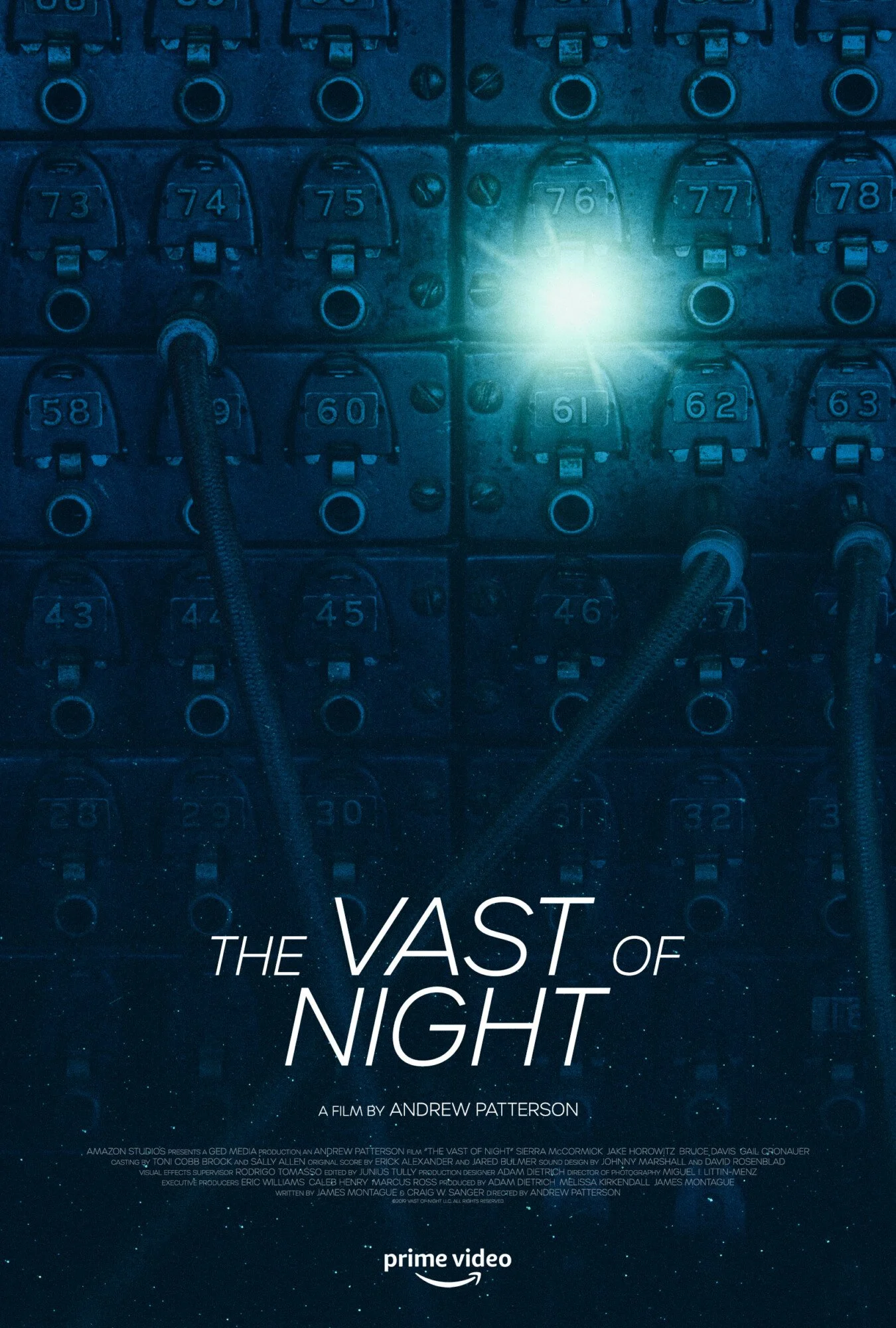
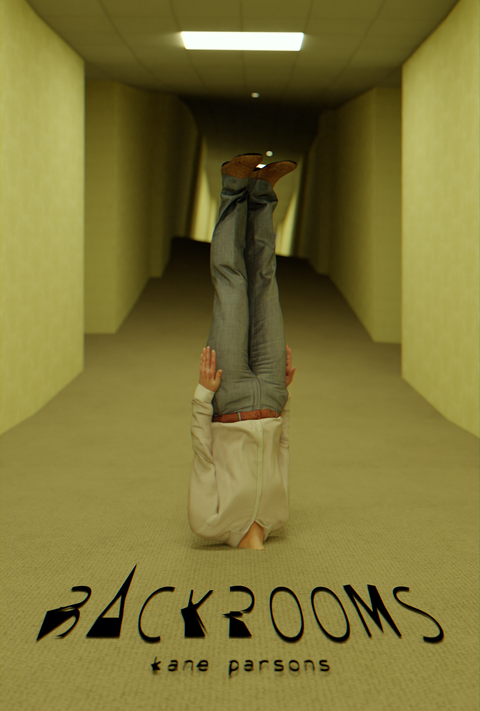
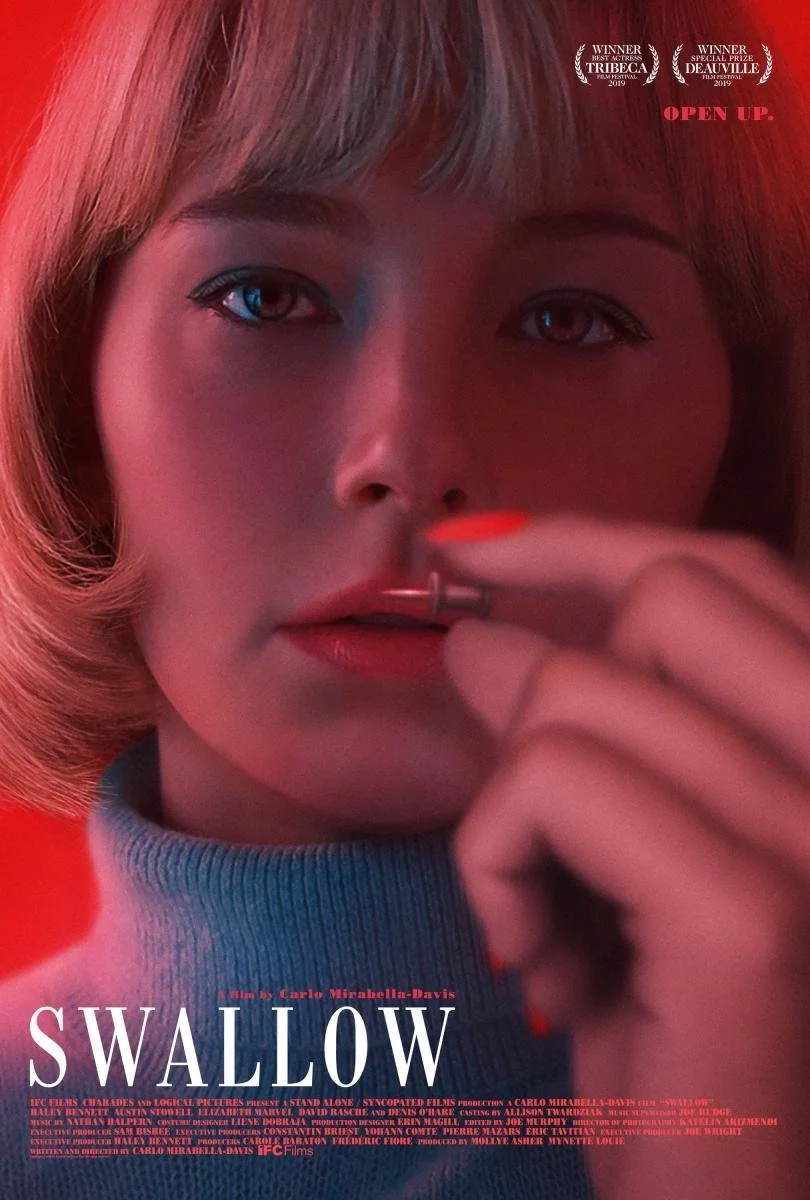
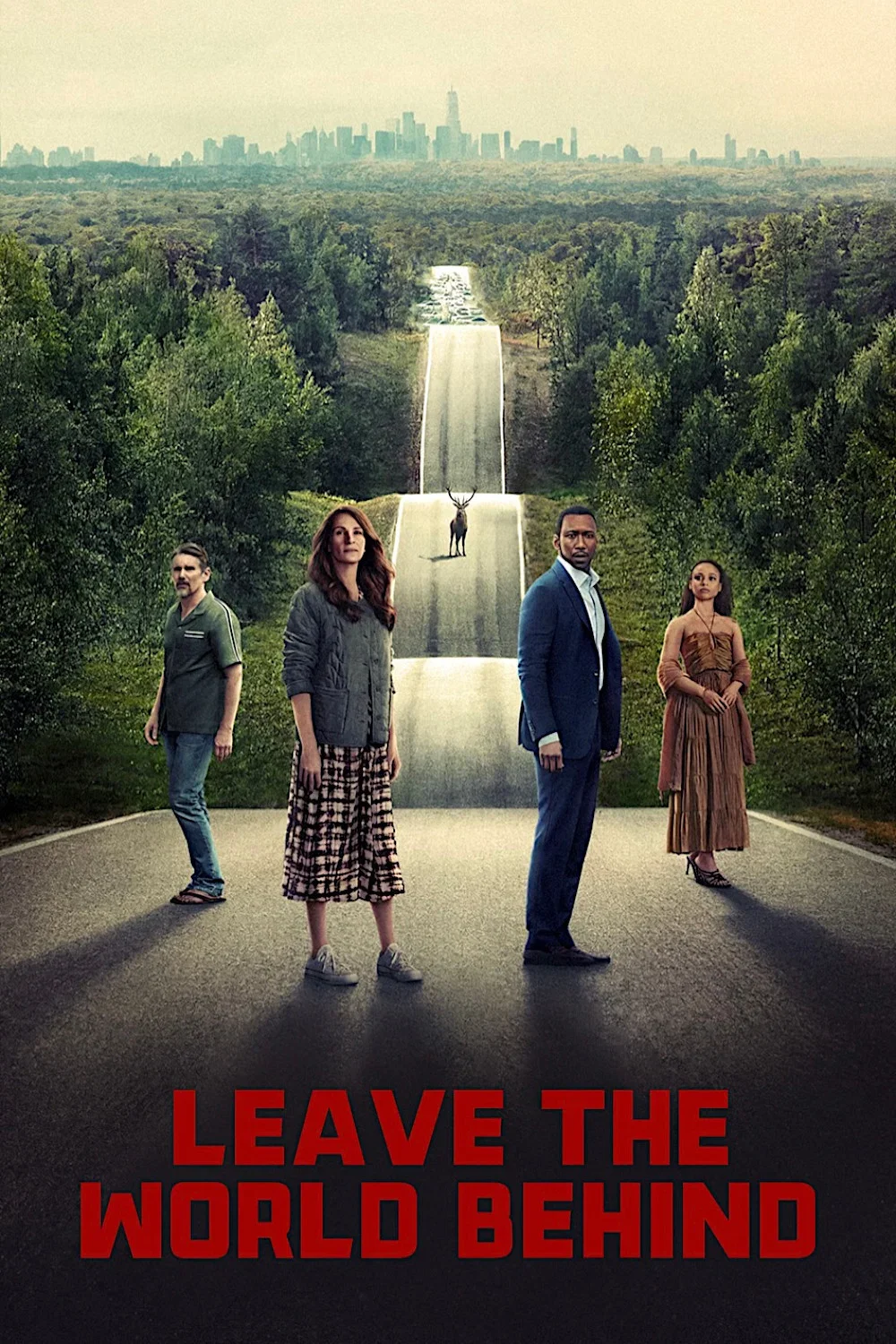
Two other comparisons would be The Vast of Night and Leave the World Behind. Like the legendary indie success story The Vast of Night — which proved that a riveting, period-piece sci-fi mystery could be brilliantly executed on a self-financed $700,000 budget — Lapse relies on a creeping sense of dread, rich atmosphere, and sharp dialogue. Combined with the "premium cage" template of Netflix’s global phenomenon Leave the World Behind, Lapse weaponizes a beautiful, isolated modernist home as a high-end psychological pressure cooker, building crushing suspense around an external menace that remains tantalizingly unseen just beyond the property line. This structure provides investors with the explosive ROI potential of a contained, ultra-low-budget genre hit, combined with the elite, award-season upside of an A24 or Focus Features release.



THE team
SEAN SKELTON, the writer, producer, and director of Lapse, brings a multi-faceted pedigree to the project through his production entity, Mad Rocket. A graduate of UC Santa Barbara’s film program, Skelton’s foundational experience includes starring in the Student Academy Award-nominated short Oblivion and a Silver Clio-winning campaign. His early career featured performances opposite Oscar winner Nicolas Cage in The Rock and Liam Neeson in the Oscar-nominated Kinsey — an immersion in high-stakes studio environments that informs his collaborative, actor-centric approach to directing.
In New York, Skelton co-created, produced, and directed the MOJO HD documentary series Wall Street Warriors. The program ran for three seasons and became the most downloaded docu-series on iTunes during its tenure. His versatility continued with the Webby-nominated series Financially Fit for Yahoo! Studios and the documentary short Biosphere 2 for Retro Report and The New York Times.
Skelton’s narrative work has garnered top-tier industry recognition, including Best TV Drama and Best Writing honors at the New York and Independent Television Festivals. He has helmed award-winning projects featuring veteran talent such as Richard Kind and Craig Bierko, while his broader creative slate has been shortlisted for co-development by Lionsgate and AMC-Channel 4. Notably, another of his feature scripts (Your Grace) holds the highest script score in the history of the Slated platform. Skelton is now bringing this synthesis of narrative precision and award-winning pedigree to the helm of the LAPSE production.
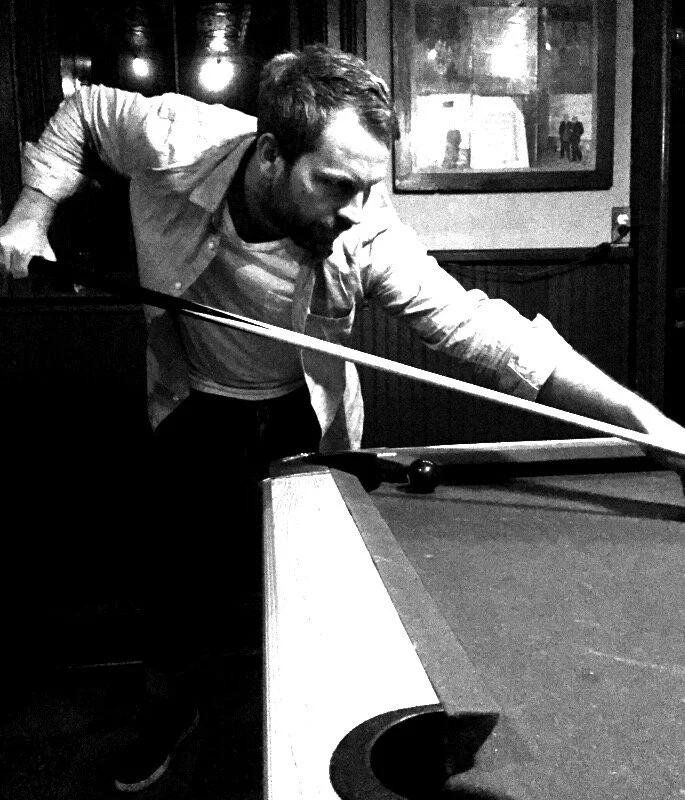
Sean Skelton
Writer, Producer, Director
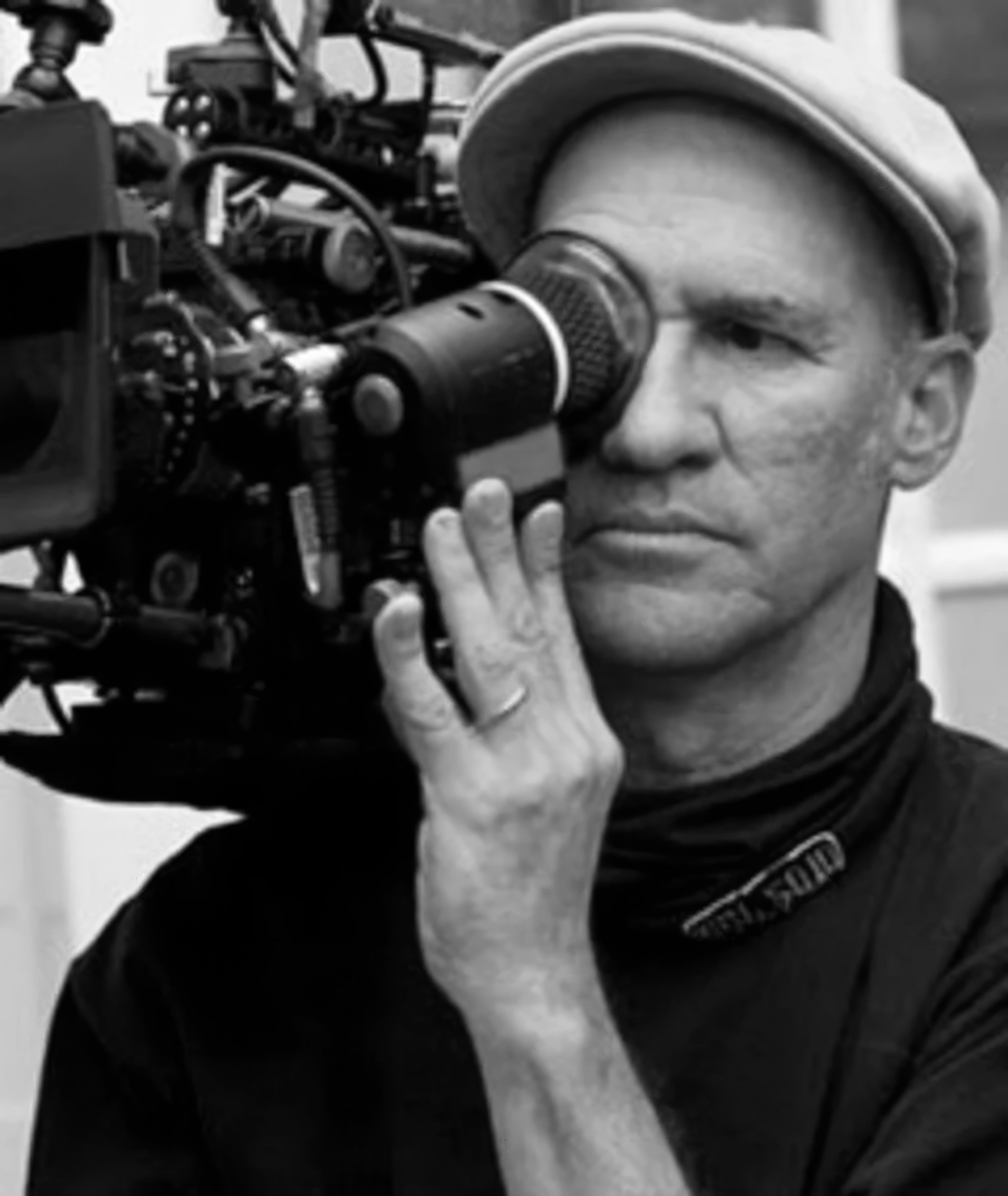
Roberto Schaefer (ASC, AIC)
Director of Photography
ROBERTO SCHAEFER (ASC, AIC) is a world-renowned cinematographer whose work spans iconic studio blockbusters and Academy Award-winning dramas. He is celebrated for his prolific collaboration with director Marc Forster, serving as Director of Photography on eight of Forster’s features, including the James Bond thriller Quantum of Solace, the BAFTA-nominated Finding Neverland, and Monster’s Ball — the film that earned Halle Berry an Academy Award. Schaefer and Forster were notably honored with the Cinematographer / Director Duo Award at the 2013 Camerimage Festival.
Schaefer’s expansive filmography includes the Oscar-nominated The Kite Runner, the period drama The Paperboy (starring Nicole Kidman and Matthew McConaughey), and major studio features such as The Host and Geostorm. His remarkable versatility is further highlighted by his work on Christopher Guest’s legendary comedies, including Best in Show and Waiting for Guffman. Recent credits include Miles Ahead, The Red Sea Diving Resort, Forelock, and additional photography on the Academy Award-nominated The United States vs. Billie Holiday.
In television, Schaefer has lensed high-concept series including HBO’s Westworld and Amazon’s The Peripheral, as well as second-unit work on Netflix’s Beverly Hills Cop: Axel F. A master of both technical precision and performance-driven lighting, Schaefer brings a global cinematic scale to the visual architecture of LAPSE.
BRIAN DAVID CANGE is an award-winning producer known for delivering acclaimed feature film and television across multiple genres. He co-produced the crime thriller Guns & Moses (Neal McDonough, Christopher Lloyd), A Call to Spy and Shoplifters of the World, and line produced Murder at Yellowstone City (Gabriel Byrne), Sundance-selected Prisoners of the Ghostland (Nicolas Cage), and Bottom of the Ninth (Sophia Vagara & Joe Manganiello). Most recently he executive produced the comedy Operation Taco Gary’s (Simon Rex) and produced the TV pilot Vial.
Brian’s films also include the Sundance premieres and award-winners Roxanne, Roxanne (Netflix), Marjorie Prime, Equity, and the Miami Film Festival award-winner Take My Nose… Please!, as well as the Paramount Classics award-winning classic documentary Mad Hot Ballroom.
In television, Cange was the Supervising Producer on HBO’s Emmy-winning Hostages, and has produced for Comedy Central (The President Show), National Geographic (I Am Rebel), A&E/Lifetime (Footsteps in the Snow), and History Channel’s Emmy-nominated The World Wars. He co-produced PBS’s Making Space and was Production Supervisor on CBS’s East New York.
A member of the Producers Guild of America, Brian is recognized for his ability to bring bold, character-driven stories to life across platforms.
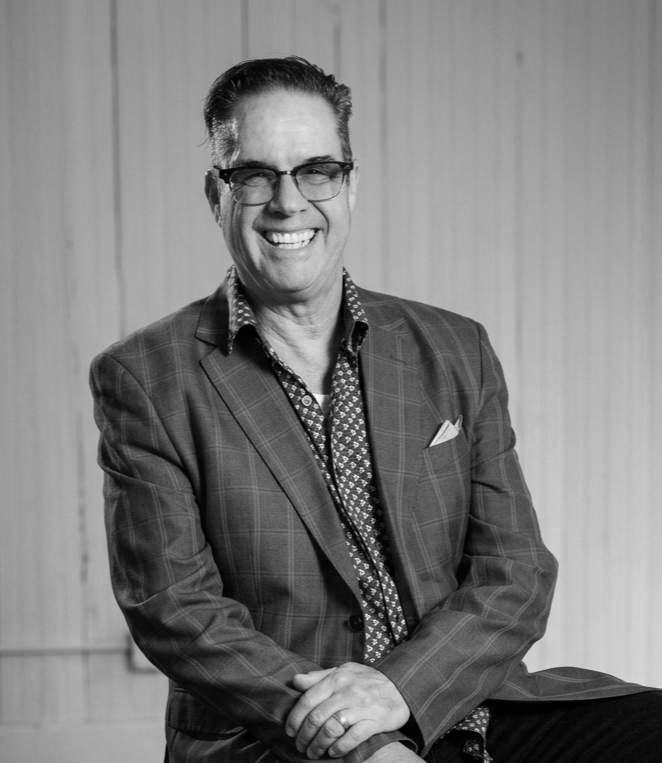
Brian David Cange
Line Producer / UPM
CONTACT
We hope the information above provides valuable insight into LAPSE, and we would be excited to discuss the project further with any interested parties.
Contact: Sean Skelton at sean@madrocketfilms.com